Buy physical discs!
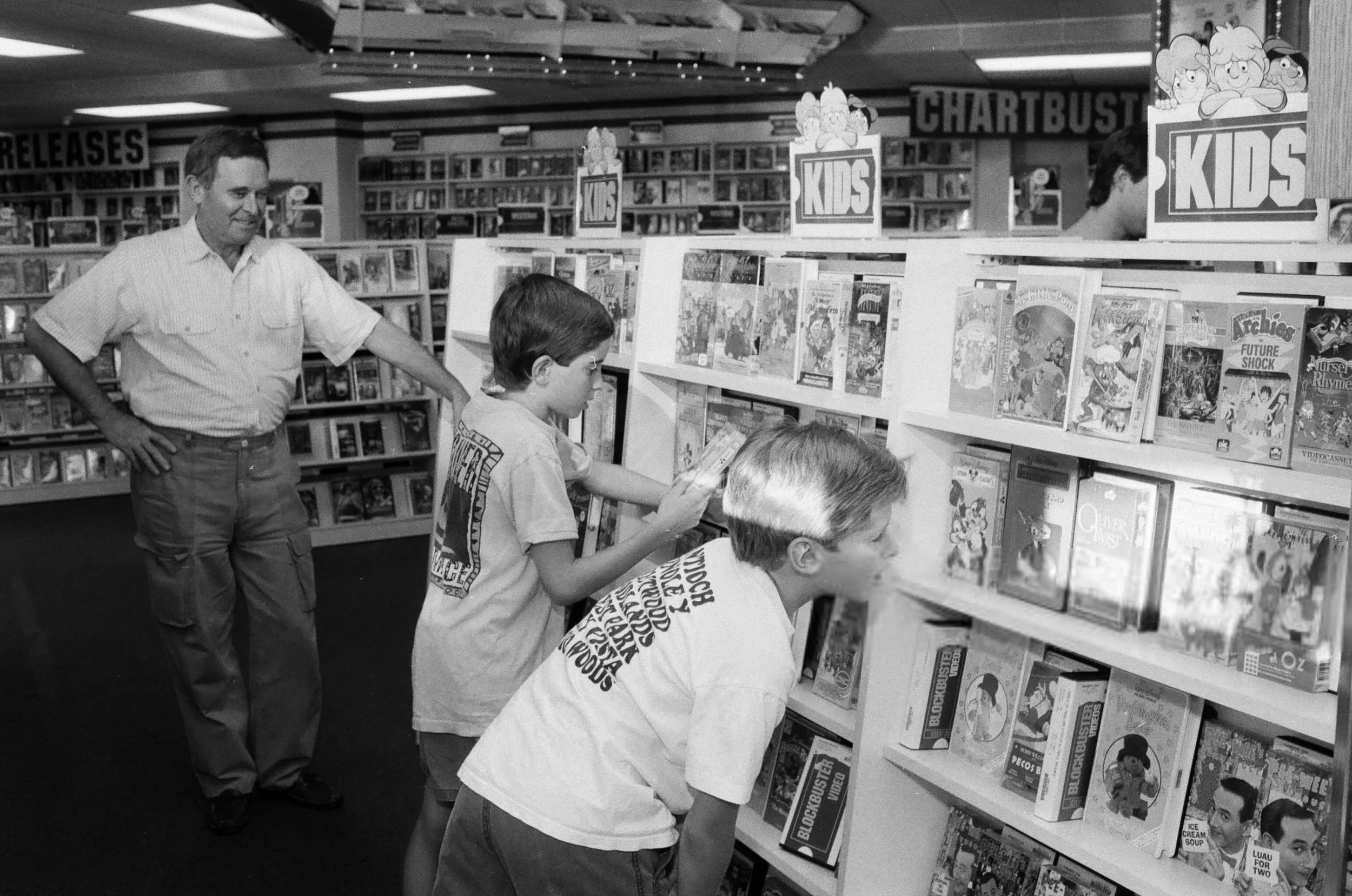
In times of endless scrolling and instant availability, buying physical media has nothing to do with dusty nostalgia or tech snobbery. It is an act of deliberate devotion. Streaming has turned home entertainment into seamless background noise, a digital stream where everything is permanently available and precisely because of that, loses its value. When you buy a disc, you make a choice: trading convenient access for genuine focus. You insert a disc or a cassette, sit down, press play, and give a piece of art your undivided attention, completely without the safety net of an algorithm that is already preparing the next bite-sized snippet to keep you hooked on mass-produced content.
And yes: I deliberately use the word content here.
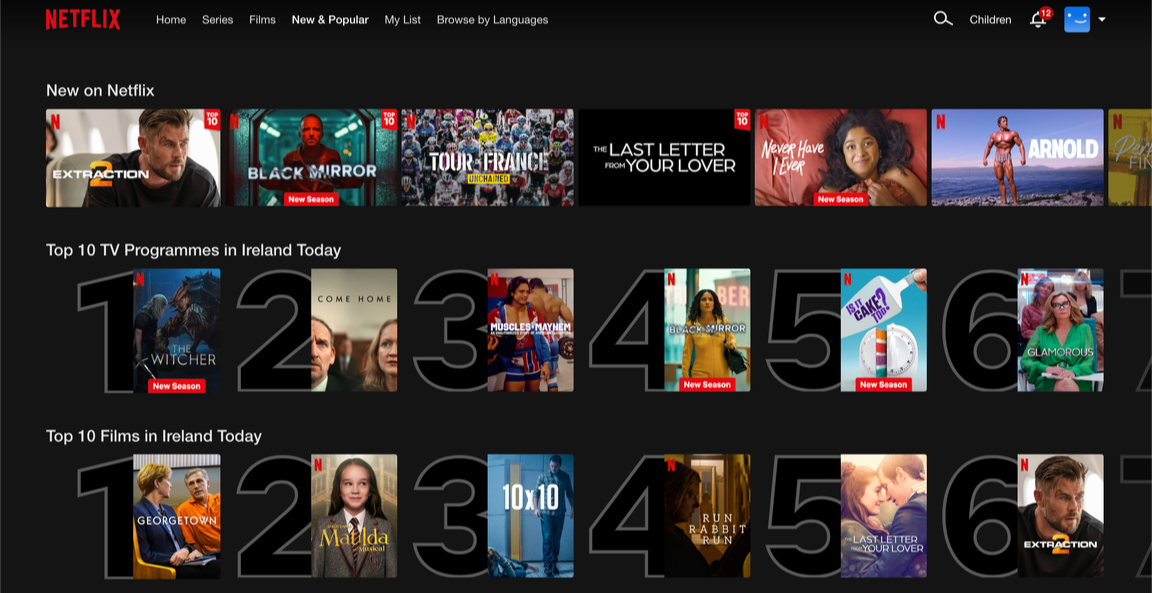
Not everything on Netflix is algorithmic garbage, but the good stuff it is buried beneath it.
Our media consumption has changed drastically. We consume more hectically and in ever smaller portions. Attention spans are shrinking, and instead of an organic narrative, a calculated story beat has to turn the corner every few seconds. Algorithms and data analytics have taken the wheel. The vision of directors and screenwriters, along with all the heart that went into it, gets filtered through digital ones and zeroes until the monotonous mush on the screen resembles visual prison food. And we supply the data. We even pay for it. Streaming providers read our viewing habits and use them to train the algorithm. A physical medium cannot do that. Is everything automatically better on a disc? Not necessarily. Of course, one could argue that algorithms are simply the new box office statistics, a more precise analysis that looks at patterns much more closely. What resonates, what does the audience reject. Okay, but am I not contradicting myself here? Isn't that a good thing? Doesn't streaming produce better movies as a result?
In short: No. Because an algorithm does not measure heart and soul, it only measures retention time. It does not reward the courageous masterpiece that unsettles you or forces you to think, but rather the lowest common denominator, content that simply does not disturb you while cooking or scrolling on your phone. Statistics only ever look back at what was already there. Art, however, is created where rules are broken, risks are taken, and you present the audience with something they did not even know they wanted to see.
A disc demands that risk. Nobody buys a steelbook for background noise. Physical media represent movies that were made to last, not an investor's next quarterly earnings report. On top of that, the economic and logistical hurdle to press junk onto a physical medium, store it, and distribute it is simply higher. A cheap, rushed job is simply not profitable on disc, whereas on a streaming giant's server farm, it is.
Video games illustrate this problem even more painfully: When is a video game actually finished these days? Constant patches, mandatory online connections, and piecemeal content through season passes have long displaced the finished product. But when did we as consumers accept this? When was it decided that full price could be demanded for a construction site of a product?
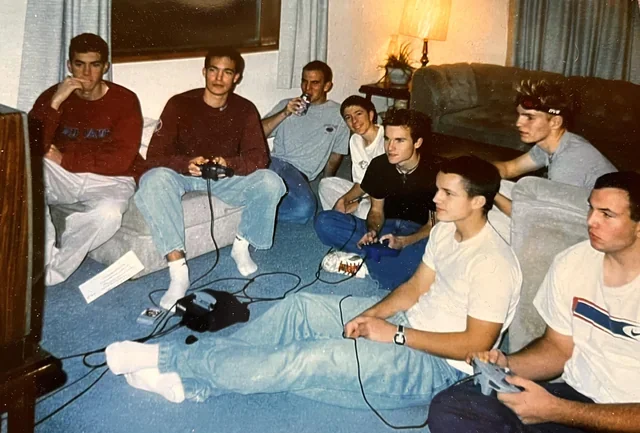
I remember my Nintendo 64, my old Xbox, and my PlayStation. You bought the game, inserted the disc, and started playing. Finished. Of course there were bugs back then too, but they were the exception. The disc forced developers to exercise absolute discipline because every mistake on that pressed disc was forever, and a faulty game meant a financial catastrophe. Much more importantly, the game actually fit on the disc and was designed specifically for that storage medium. Yeah I admit, some were even delivered on two discs, but today the lazy industry standard is simply: We'll fix it later with a patch.
In the film world, this is the direct equivalent of the notorious habit "We'll fix it in post", the promise to simply repair flaws afterwards in post-production. Trust me, this is bad. The consequence is the same: carefulness gives way to sloppiness because the hurdle to correct mistakes has vanished. If you insert a cartridge or an old disc instead, you are holding the manifestation of true craftsmanship in your hands, a finished work entirely without a back door.
Physical media also create social anchor points. How often did we lend out a Blu-ray, a VHS, or a DVD, a Cassette or even a Vinyl in the past, tied to real conversations? We carried games in our backpacks over to friends' places to spend nights in front of the same screen, completely without mandatory online connections, Digital Rights Management, or server shutdowns.
Anyone holding a glossy steelbook in their hand, opening a lovingly designed mediabook, or simply looking at the cover of a standard Blu-ray case feels this difference immediately. It is something tangible that you worked for and bought with your own hard-earned money. It is an anchor in your living room that remains standing even when licenses expire, rights holders argue, or your internet connection fails.
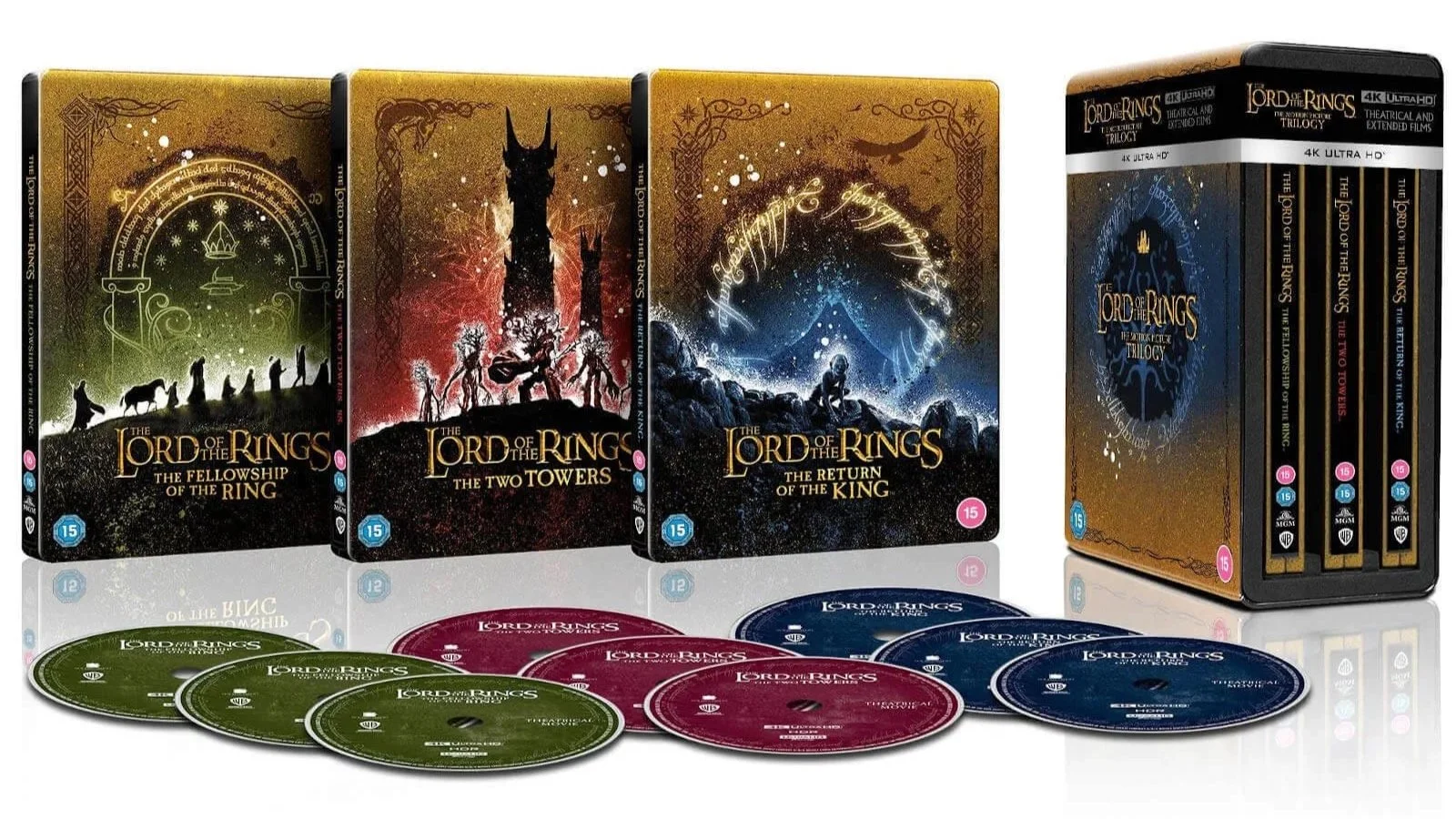
Physical media are not old plastic, they are living cultural history. They give spaces character and hold onto memories. An e-book has no grain, no distinct smell, and no dog-eared pages from that one spot where you gripped the book tightly out of sheer suspense. Sliding a disc into a drive is an appreciation of the creators behind the work. An elaborately designed disc menu, uncompressed bitrates for video and audio, as well as carefully curated bonus material show how far filmmakers went for this experience. It is and remains the extension of cinema right into our own home.
They used to say video killed the radio star, predicting the death of an entire medium. Yet radio adapted, survived, and found its permanent place in our world. Physical media will do the same. They don't need to dominate the mainstream market anymore to justify their existence. They just need to stay alive for those who still care about true ownership, preservation, and the art itself.
In the end, physical media are not about a crude urge to stack plastic cases on a shelf. It is about protecting your passion from the whims of corporations. A digital library is not ownership, it is merely a temporary license on probation. Look at what happened when Sony wiped hundreds of legally purchased movies (←🔗) from user libraries overnight due to licensing disputes. Customers paid full price, yet their access vanished into thin air. A digital purchase is an illusion. You buy a license to watch a movie, not purchasing the movie itself. Only a physical copy anchors art in the real world, vulnerable neither to quiet censorship, retroactively altered dubbing, nor corporate greed. It transforms passive consumption back into an active ritual, guaranteeing that the movies, albums, and games that shape us remain truly ours.