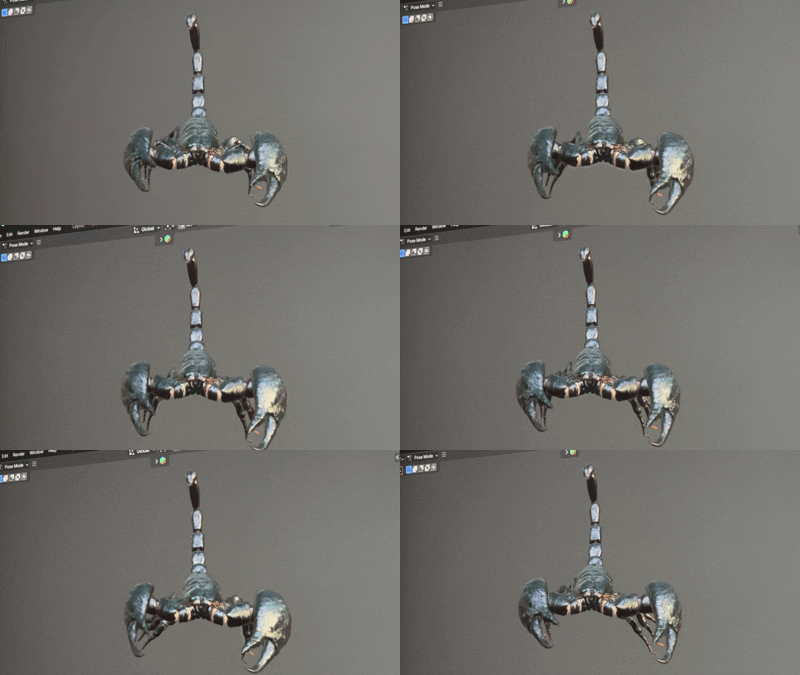
So many scorpions!
8 Legs, 2 Pincers, 1 Stinger and a valuable Lesson
Animation was never my specialty. To be honest, I couldn’t have been further from it. Why pick up another skill when I could spend that time honing my hard skills? Wrong. I had to learn that this thought couldn’t have been more misguided.
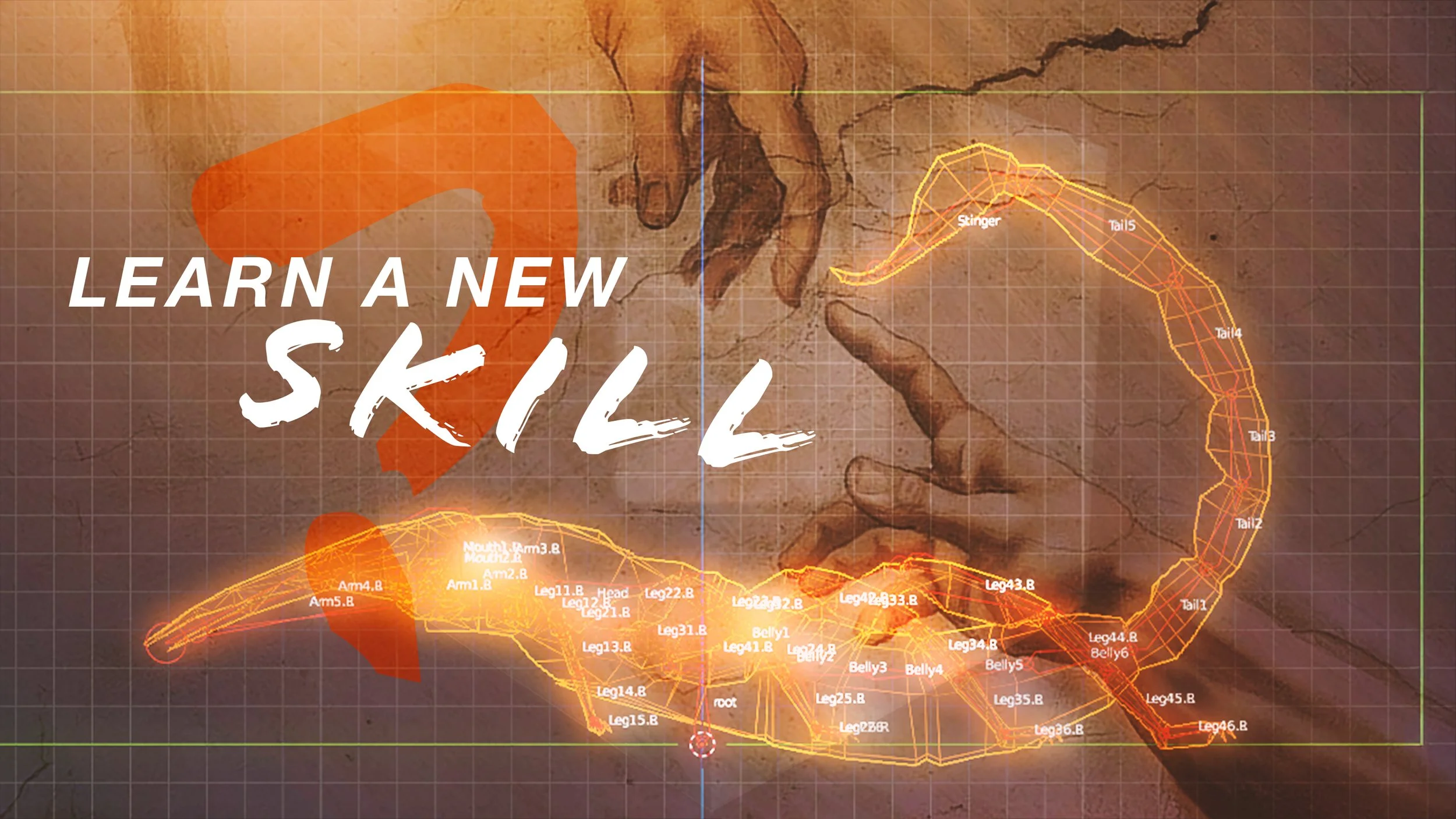
Working on our fan film, Indiana Jones and the Obsidian Obelisk, taught me something valuable: Learning a new skill doesn’t mean neglecting another. It’s the whetstone. It sharpens your blade. Makes it deadlier. Better. More efficient.
DIVE INTO BLENDER 3D
Out of necessity—as our VFX department kept shrinking for reasons—I dived into Blender 3D. Luis, a former agency colleague and loyal supporter, taught me the basics. Thank you!
The mission? Animating a scorpion. Many scorpions. Soooo many.
But why am I even surprised, since I wrote the script, right?
(*Sighing) Right.
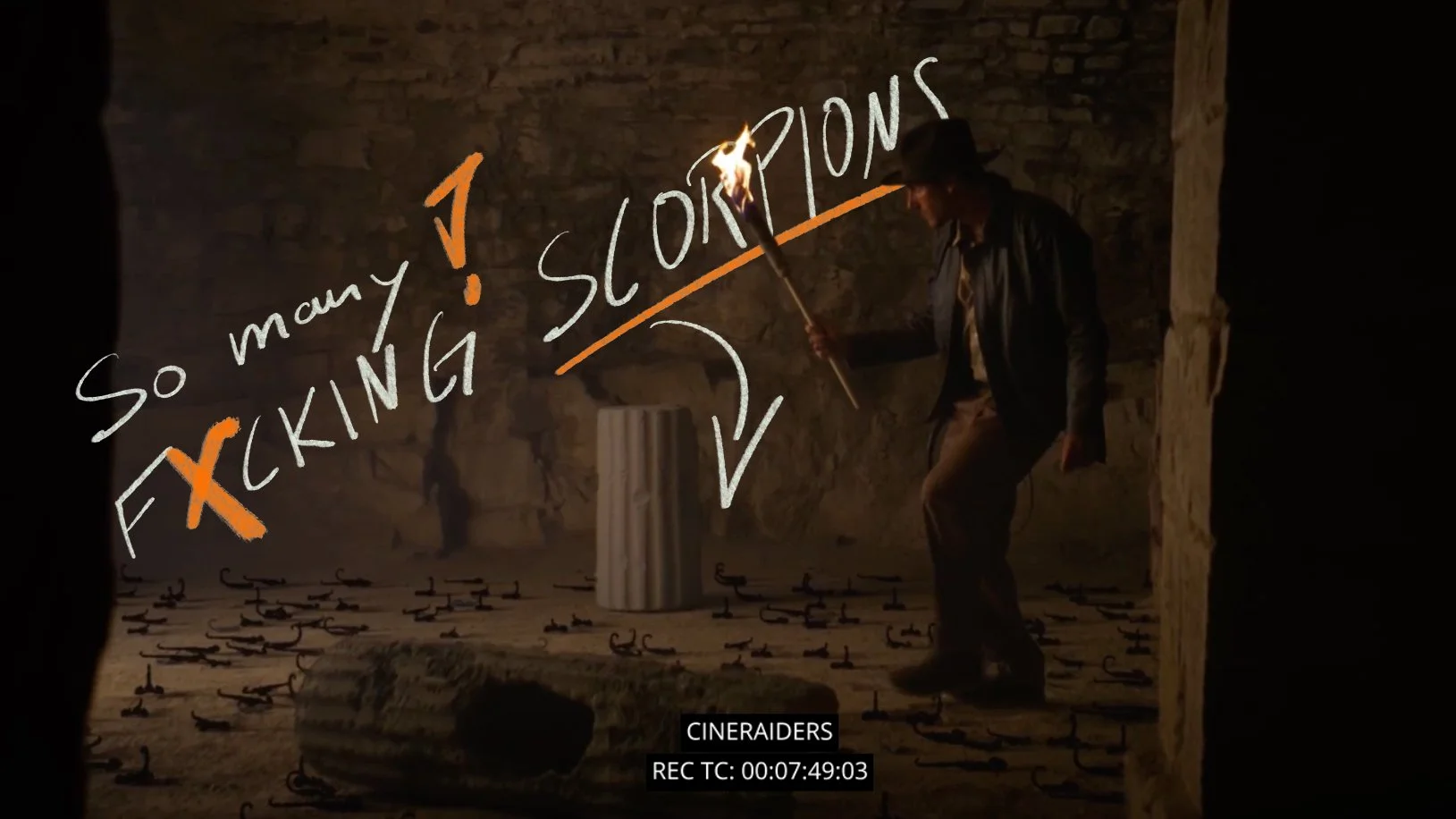
Yeah okay, in shots like this a crowd sim will do the trick ;)
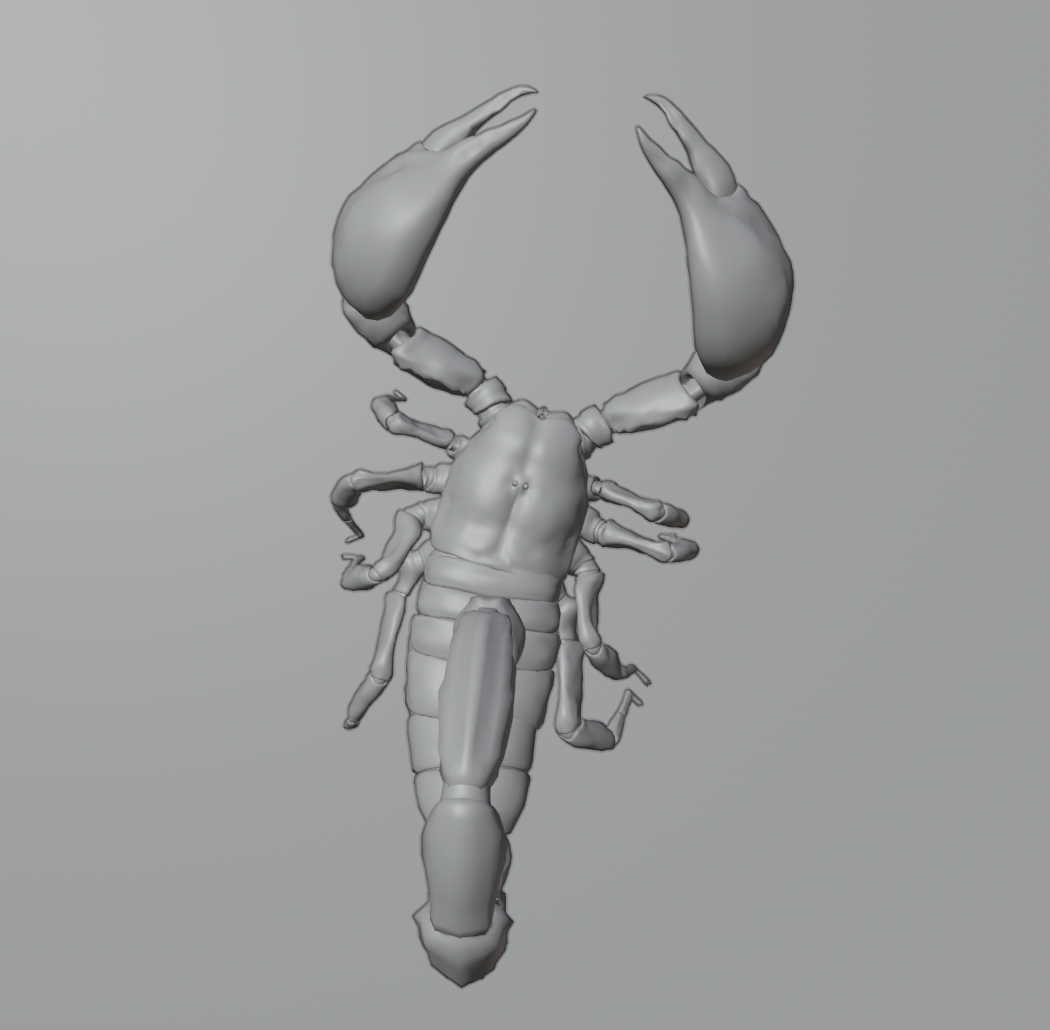
We bought a model of a scorpion online. Fully textured. Thanks Internet. What a time to be alive. Luis built the rig.
A walk cycle is usually simple. Film yourself walking, recreate the movement with keyframes. Harder than it sounds for a human, sure, but at least you're limited to two legs, a torso, and arms. Roughly speaking. A scorpion, however, means eight legs, joints, two pincers, and a stinger.
Luis spent hours studying reference footage. He taught me the patterns. The front four legs scoop; the back four push. Always opposite. One leg forward, the other back. One moves, the other anchors. With eight legs, things get confusing fast.
My first animation—92 frames—took almost six hours. I scrapped it. Started over. Locked in. Grinding. Time? 2.5 hours. It looked better. Success. I’ve started with the torso, set the start and end. Then the legs, the pincers, finally the stinger. No paths. All by hand. Every keyframe placed carefully. Luis told me to and it was actually easier than what the YouTube tutorials tried to teach me with all these path animations and pre-programmed movements. It took more time by doin’ it all by hand instead with automations, but I feel like I had more control over it and it was kinda fun, analyzing the movement and trying to imitate it.
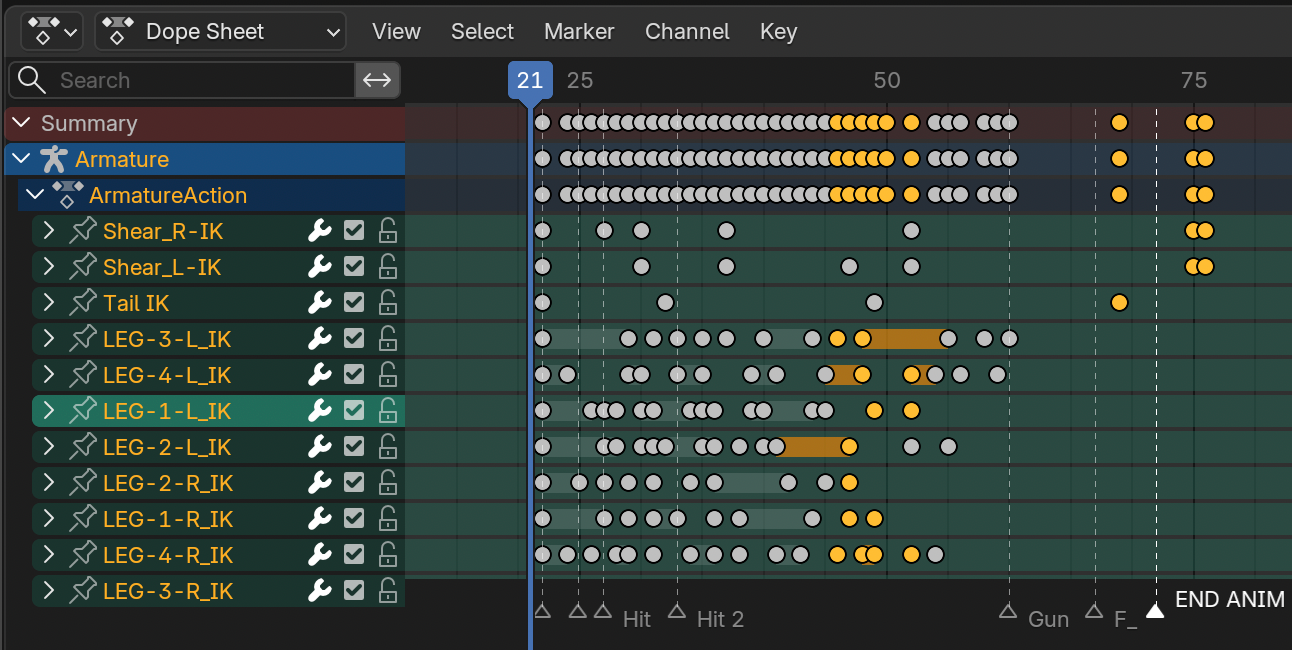
My keyframe-chaos :)
After that: Lights. I had to set them from scratch. Back when we were filming, we didn’t have any experience with preparing VFX on set, so there were no usable HDRI images. I had to build it from memory and from what looked right in the viewport. It worked. Pretty well, actually. Rendering. Compositing in After Effects. Done. Move on to the next shot. Only about seven or so left.
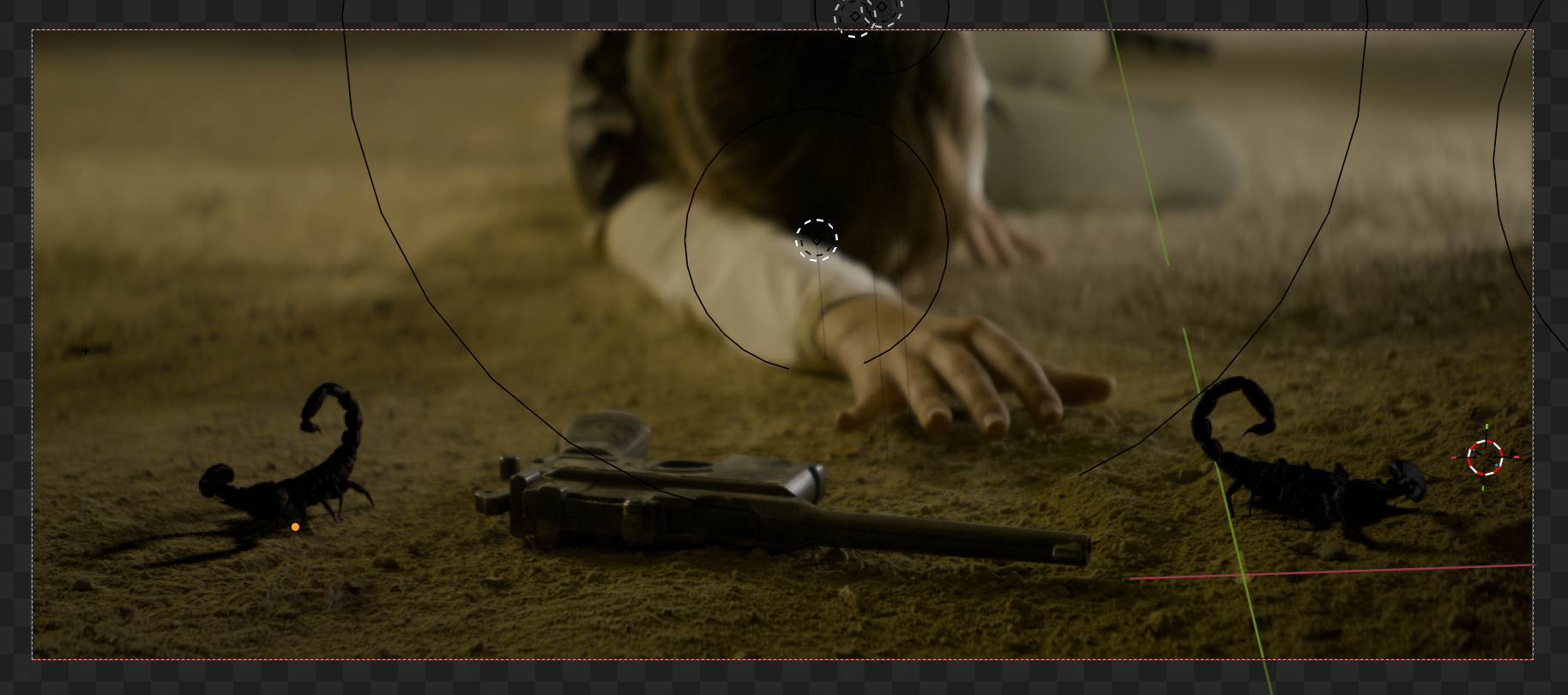
What LEARNED?
A lot about animation. Movement, keyframes, timing, and rhythm. But most importantly: I now speak the same language as the VFX department. As a director, I’ve gained a new vocabulary. I understand the workflow. I know what to consider on set to realize my vision—without the agony of post-production. No "fix it in post." It made me stronger. And honestly? I think I’ll keep grinding in Blender.What’s next? We’ll see.
„[. . .] All it takes is a little push!"
– by the Joker (Heath Ledger) in the 2008 film The Dark Knight.